
From Pixels to Paint: How Emoji Became the Folk Art of Our Time
When you think of art, you probably picture oil paintings, sculptures, or maybe a half-finished canvas waiting on your easel. You probably don't picture the tiny smiling face you sent your friend this morning. But maybe you should — because emoji have quietly become one of the most influential visual languages of the 21st century, and they have more in common with traditional art than you might expect.
A Museum-Worthy Beginning
Emoji didn't start as the polished, glossy icons we know today. The first set was created in 1999 by Japanese designer Shigetaka Kurita for the mobile carrier NTT DoCoMo — 176 tiny pictograms, each drawn on a 12-by-12 pixel grid. Working within such a small canvas forced Kurita to distill complex ideas — love, weather, moods — into just a handful of pixels.
That constraint-driven creativity earned emoji a place in art history. In 2016, the Museum of Modern Art in New York acquired the original NTT DoCoMo emoji set for its permanent collection, displaying them alongside works by Picasso and Van Gogh. The message was clear: design that shapes how billions of people communicate is art.
If that sounds familiar, it should. Paint by numbers works on the same principle — taking a complex image and breaking it down into simple, manageable pieces that anyone can work with. Kurita was essentially doing pixel-by-numbers, decades before we all carried his successors in our pockets.
The Apple Effect: When Emoji Got Beautiful
While emoji were born in Japan, it was Apple that turned them into a global aesthetic phenomenon. When the iPhone brought emoji to the world stage in the early 2010s, Apple's designers reimagined each symbol with rich gradients, soft shadows, and an almost tactile glossiness. The red heart looked like polished glass. The painting palette emoji actually looked like something you'd find in an artist's studio.
Every platform draws emoji differently — the same smiley face looks noticeably different on a Samsung phone than on a Mac — and Apple's interpretations are widely considered the most detailed and expressive. If you've ever wondered how every single iphone emoji is rendered in Apple's signature style, you can browse the complete collection and compare the subtle artistic choices behind each one. Look closely and you'll notice real painterly techniques: highlights that suggest a light source, color gradients that create depth, careful shading that gives flat icons a three-dimensional feel.
These are the same fundamentals — light, shadow, color harmony — that you practice every time you fill in a numbered section on canvas.
Why Emoji Resonate With Painters
There's a reason emoji-themed art projects have exploded in popularity among hobbyist painters. Emoji are:
Instantly recognizable. Like pop art icons of the Warhol era, emoji carry immediate emotional meaning. A painted canvas of a laughing-crying face or a heart-eyes smiley needs no explanation — it makes people smile the moment they see it.
Built from simple shapes. Most emoji are circles, curves, and bold color blocks. That makes them perfect subjects for beginner painters who want a satisfying result without wrestling with complicated perspective or fine detail.
Bursting with color. Emoji use saturated, cheerful palettes — sunshine yellows, vivid reds, sky blues. Painting them is a masterclass in working with bold, flat color, and the finished pieces bring instant energy to any room.
Turn Your Favorite Emoji Into Canvas Art
Ready to bridge the digital and the physical? Here are a few ideas:
- The classic smiley grid. Paint a series of small canvases, each featuring a different facial expression, and arrange them in a grid. It's a playful, gallery-style statement piece for a hallway or home office.
- A family "mood board." Let each family member pick the emoji that best represents them, then paint them together on one large canvas. It's a fun weekend project and a genuinely personal piece of decor.
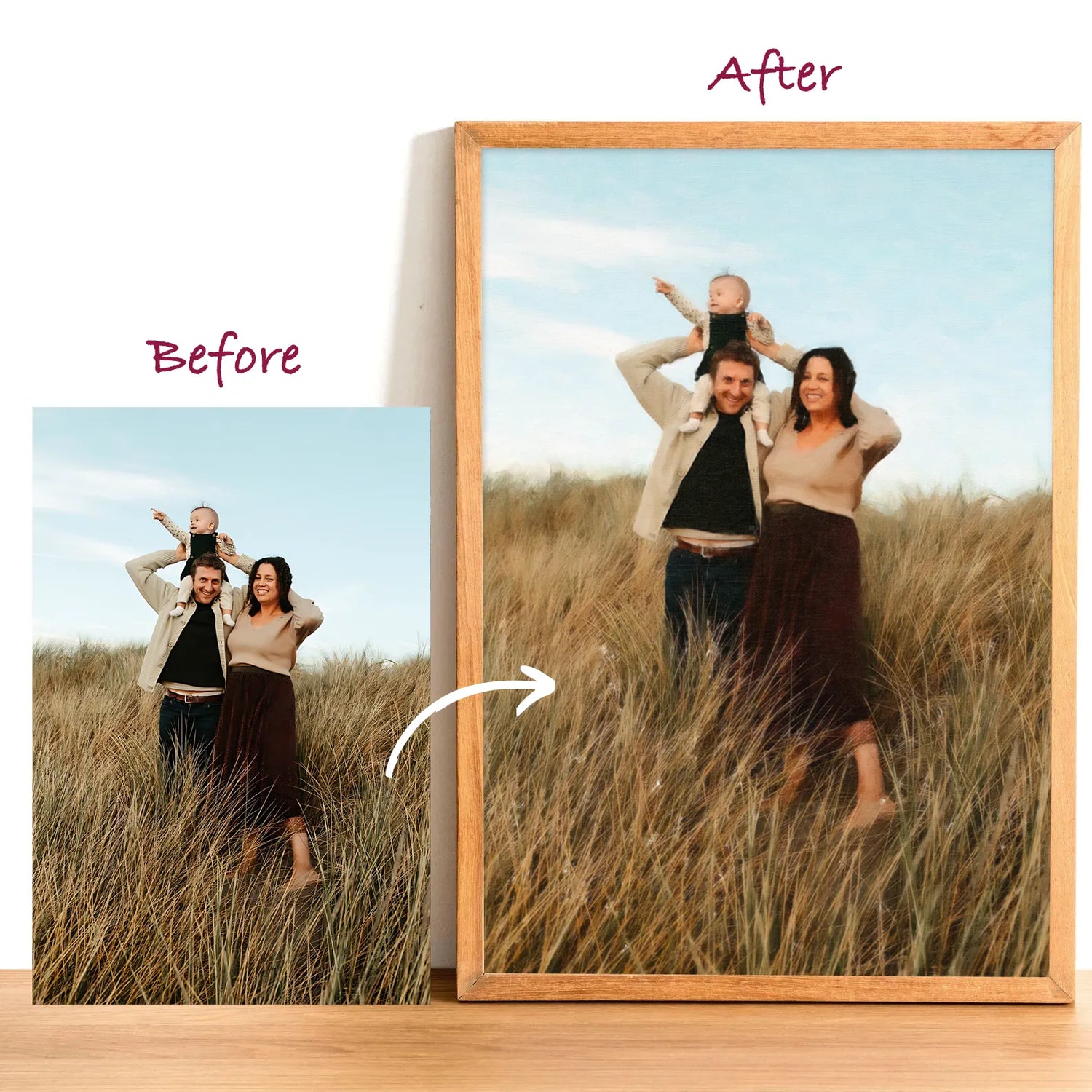
- Custom paint by numbers. Many custom kits let you upload any image — including a screenshot of your favorite emoji combination. The bold outlines and clear color regions of emoji translate beautifully into numbered canvases, making them among the most relaxing and forgiving projects you can choose.
- Emoji reinterpretation. For more experienced painters: take a simple emoji and repaint it in a classic style. A sunflower emoji in Van Gogh's brushwork. A wave emoji as an homage to Hokusai. It's a wonderful exercise in studying the masters while keeping the subject lighthearted.
Small Pictures, Big Joy
From a 12-pixel grid in 1999 to the walls of MoMA, emoji have proven that meaningful art doesn't need to be complicated — it needs to connect. That's a philosophy every paint-by-numbers enthusiast already understands: creativity isn't about where you start, it's about the joy of filling in the picture, one small section at a time.
So the next time you send a smiley face, take a second look at it. Behind that tiny icon is a century's worth of design thinking, a museum acquisition, and — quite possibly — the subject of your next canvas.

 https://1001canvas.com